
interview: Dr. Emily Knox
Today’s guest is Dr. Emily Knox.
Introduction
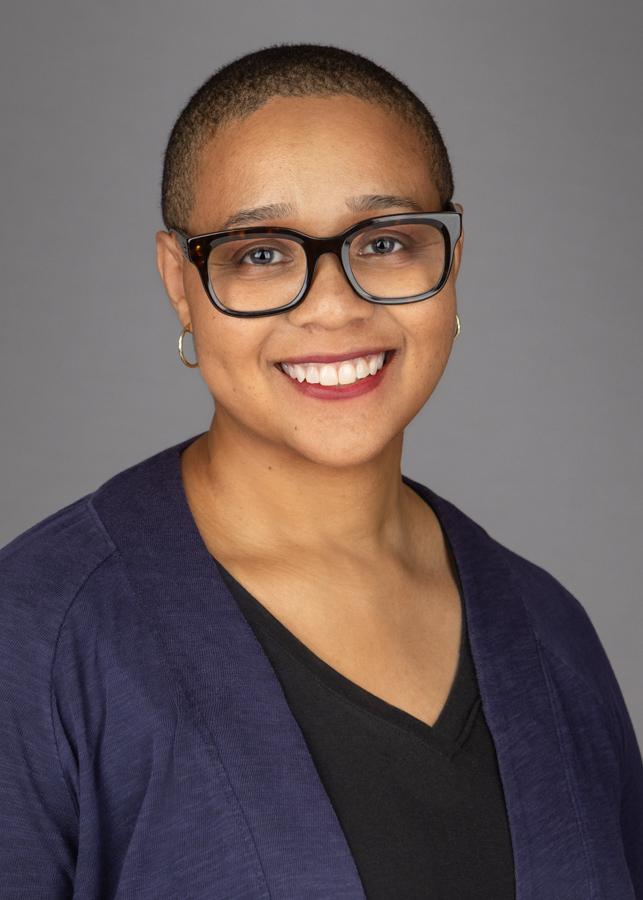

EC: What did you witness your mom doing as a librarian that made you know you wanted to do that, too?
EK: I noticed that she took every person’s information needs seriously. She worked in a high school and I noticed that ever single student who walked through the door mattered. It’s one of my favorite things about librarianship. I try to remind my students to put human beings first when they think about library work.
ADVERTISEMENT
ADVERTISEMENT
EC: You have done quite a bit of research on book bans and censorship. You’ve probably seen and documented a lot of change. I have a couple of questions for you based in what you’ve observed. First, what do most people today seem to think about libraries? Second, what do they seem to think about reading?
EK: Most people love libraries but it’s important to know that when people say that they often mean they love their own public library. As in, the library down the street or the library that they grew up visiting. Unfortunately, this sometimes makes it difficult to build coalitions around libraries as a whole and why it’s so easy to remove school librarians. It’s something we really need to work on.
I try to think about reading in many different ways. Lots of people don’t read books but they do read Substack or their social media feeds. Usually when we say “reading” we mean sustained reading of fiction. From my research, I see that we need to meet people where they are when it comes to reading. Honestly, we might want to do more serials where parts of chapters are put in people’s feeds and then before they know it they’ve read a whole book.
EC: What compelled you to update Book Banning in 21st-Century America?
EK: The impetus was the explosion of book challenges following the pandemic. The arguments for removing books from libraries and curricula haven’t changed all that much but the context has. There’s much more emphasis on dismantling the institution because they contain materials that people find upsetting. Also, it was incredibly easy to find data!
EC: How can public librarians, community members, and parents best use your book?
EK: I recommend reading the parts that speak to you. Most of the theory is in chapter 2 so general audiences can skim that if they’d like. Honestly, the best part is some of the truly amazing quotations from challengers. I try to show how quickly their arguments go from talking about a book to talking about how society has fallen. It happens so fast that you have to check to make sure you’re reading the correct statement.
Thanks, Emily!
Book Banning in 21st-Century America by Emily Knox. Bloomsbury, 2026
Be well and do good
Filed under: Interviews

About Edith Campbell
Edith Campbell is Librarian in the Cunningham Memorial Library at Indiana State University. She is a member of WeAreKidlit Collective, and Black Cotton Reviewers. Edith has served on selection committees for the YALSA Printz Award, ALSC Sibert Informational Text Award, ALAN Walden Book Award, the Walter Award, ALSC Legacy Award, and ALAN Nielsen Donelson Award. She is currently a member of ALA, BCALA, NCTE NCTE/ALAN, REFORMA, YALSA and ALSC. Edith has blogged to promote literacy and social justice in young adult literature at Cotton Quilt Edi since 2006. She is a mother, grandmother, gardener and quilter.
ADVERTISEMENT
ADVERTISEMENT
SLJ Blog Network
Cover Reveal and Q&A with Shifa Safadi: Sisters Alone
Rodeo Hawkins and the Daughters of Mayhem | Review
From Policy Ask to Public Voice: Five Layers of Writing to Advance School Library Policy
Rumor Has It: Kids Battle Online Misinformation in NOTHING TO SEE HERE, a guest post and cover reveal by Barbara Dee
Our 2026 Preview Episode!
ADVERTISEMENT